MY EMPATHY FOR REJECTED PEOPLE GROWS
in May, the flashbacks started. Over and over the pain of being excluded from the group appeared, bringing deep depression. This continued for a number of years. Many other forms of rejection were to follow. A friend who had been dear to me refused to spend time with me. No lunch, no coffee, no walks. Why was this happening? She was one of the many in my church who ended up ostracizing me. I was left with very few friends.
Throughout that time the questions never stopped.
Why?
I had spent fourteen years giving everything I had to help fellow Christians understand mental health and how God’s love could help bring healing to those who suffered. From 2006 to 2014 I had brought Christ’s love to groups of people with the foundational message of his unconditional love. Many found healing. Spiritual mental health peer support had proven itself to be beneficial indeed for the many whose lives were touched.
And yet, the moment I retired I was stigmatized like I had never been before. It was obvious that one of the church’s leaders took a definite dislike to me and abused me emotionally when no one was looking. I was treated with anger, made to feel like a child being punished for being bad. This person was a powerful figure in the church and his feelings towards me spread throughout the church.
What did I do wrong?
I do know that I leaned too heavily on this person and another one. They had in the past been like father and mother to me. How could I not, with the great load I was carrying while not being well? Of course I needed strong support!
I wish someone could have recognized me as a person with problems that she couldn’t help. I wasn’t a bad person. I needed kindness. I needed help instead of being hurt. But I didn’t receive the help I needed.
In October 2015, not knowing any way out of the pain, I tried to take my life. Fortunately, my husband had hidden the pills I was looking for. When I was admitted to hospital, my psychiatrist diagnosed me with features of borderline personality disorder (BPD) although I only had two of the features: fear of rejection and anger.
The psychiatrist assumed that I must have been to blame for the pain I experienced at the hands of the person who was mistreating me. He did not believe what I told him. He did not believe I had credibility, in the way most people with mental illness were not considered to have credibility.
Another huge source of stigma for people with mental health challenges.
The diagnosis of BPD proved to be incorrect, and yet I suffered for a number of years, believing I had a disorder that was one of the worst and most stigmatizing of all mental illnesses. And when others—even my own family—learned about it and googled BPD, I became even more stigmatized.
I was admitted to the psychiatric unit in the hospital and spent 2 1/2 weeks there suffering greatly, thinking I must be a very ugly person. The painful memories of the trauma that brought me there were never far away. Yet in this unlikely place, I found God working through me without any effort on my part. When I talked to fellow patients and listened to them, God always came up in the conversation.
My hospital experience showed me how very much people with mental health problems need to hear the news of Christ’s love for them. His love and peace and hope are essential for their well-being, essential for giving their life the completeness everyone should have, essential for them to feel they belong in this world in the way others belong.
When I was alone, I was plagued with bad memories. But when I went into the lounge to meet with others, the presence of God was with me.
After I left hospital I continued to share Christ’s message of unconditional love through the devotionals I emailed to a long list of people. And later, I would share this same message through my virtual world travels via LinkedIn.
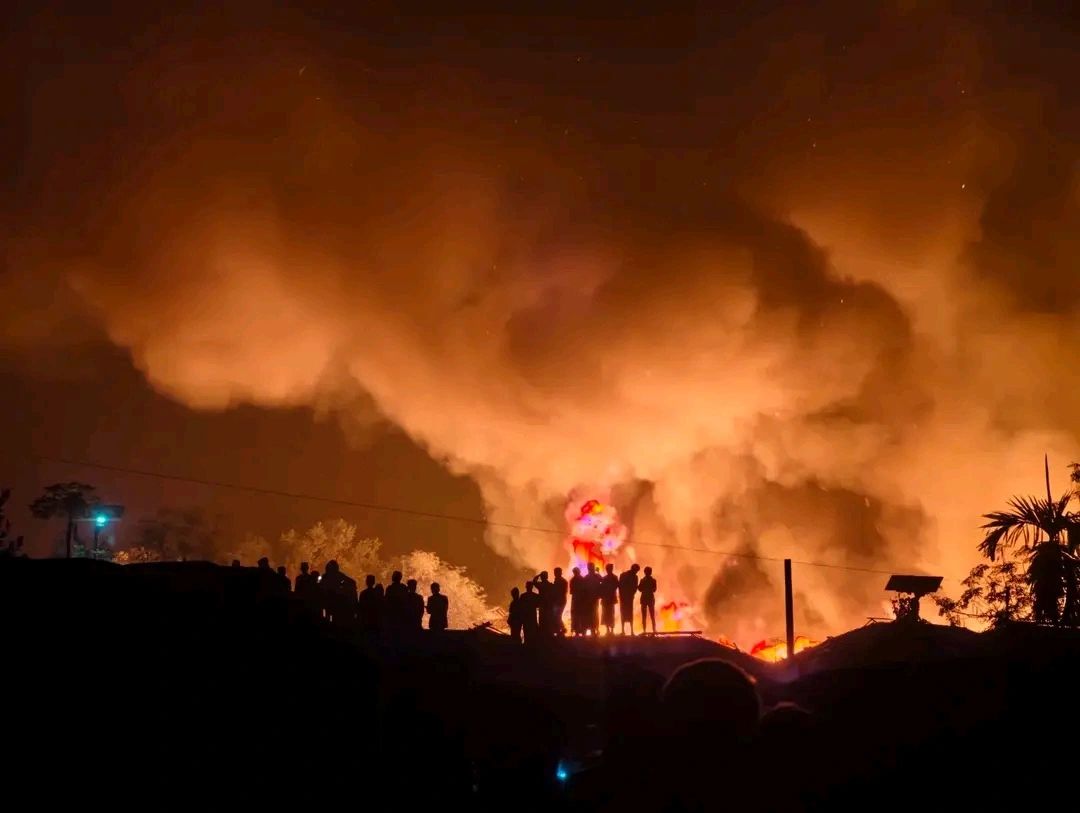
When I heard the Rohingya story, I developed great empathy for them and encouraged them with Christ’s message, knowing how it could provide courage, strength and hope. When I see their suffering and how the world is not hearing their voices, my compassion is deeply aroused. I know what it’s like not to have my voice heard.
Although my experiences could not match the great suffering the Rohingya experience, I had learned the power of Christ’s love and am determined to help them find the same encouragement and hope I had found.
marja
Leave a Reply